Stanislaus National Forest stretches across nearly 900,000 acres of Sierra Nevada terrain in California, drawing hikers, anglers, and road-trippers to destinations like the Emigrant Wilderness, Donnell Lake, and the Tuolumne River corridor. Gateway towns like Sonora, Murphys, and Bridgeport serve as the most practical bases for exploring the forest, offering centrally located hotels that connect you to trailheads, historic sites, and scenic byways without requiring deep backcountry camping. This guide compares 4 central hotels across these key access points so you can choose the right base for your trip.
What It's Like Staying Near Stanislaus National Forest
Stanislaus National Forest is accessed primarily via Highway 108 (Sonora Pass Road) and Highway 395 on the eastern side, meaning your gateway town determines your driving rhythm significantly. Sonora and Murphys on the western slope sit closer to the forest's primary recreational zones, while Bridgeport on the eastern side positions you near Bodie State Historic Park and the Yosemite eastern entrance. Summer weekends bring heavy traffic on Sonora Pass, so arriving Thursday or checking out Monday genuinely affects your experience. Travelers who prefer having restaurants, gas stations, and gear shops within walking distance will find these gateway towns far more practical than attempting to stay closer to the forest interior itself.
Pros:
- Direct access to Emigrant Wilderness trailheads, Donnell Lake, and Tuolumne River fishing spots from western gateway towns in under an hour
- Bridgeport positions you within around 20 miles of Bodie State Historic Park and around 45 miles from Yosemite's Eastern Gate, making multi-destination trips efficient
- Gateway towns like Sonora and Murphys offer Gold Rush-era historic districts, local dining, and wineries - practical for rest days or poor weather
Cons:
- Highway 108 over Sonora Pass closes entirely in winter (typically November through May), cutting off direct east-west access through the forest
- No public transport connects gateway towns to trailheads - a rental car or personal vehicle is non-negotiable for this trip
- Bridgeport is a small town with limited dining and grocery options, which can feel isolating for travelers used to urban amenities
Why Choose a Centrally Located Hotel Near Stanislaus National Forest
Central hotels in the Stanislaus National Forest gateway towns sit in the commercial cores of Sonora, Murphys, or Bridgeport, giving you walkable access to supply stores, restaurants, and local services - critical when you're returning from a full day on the trails. Unlike lodges deep in the forest or rustic campground-adjacent accommodations, these properties offer air conditioning, private bathrooms, and reliable Wi-Fi, which matters when you need to download trail maps or check road conditions. Prices at central gateway hotels are notably lower than comparable properties near Yosemite Valley, making them a sharper value for budget-conscious Sierra Nevada travelers. The trade-off is that you'll drive around 30 to 60 minutes to reach the most remote recreation areas of the forest, but the infrastructure and comfort offset this for most non-backpacking visitors.
Pros:
- Reliable amenities including free parking, Wi-Fi, and private bathrooms - essential for multi-day outdoor itineraries where gear drying and planning matter
- Central positioning in gateway towns means access to hardware stores, grocery shops, and fuel before heading into the forest each morning
- Seasonal outdoor pools at most properties provide real recovery value after hot summer hiking days at elevation
Cons:
- None of these hotels are within walking distance of actual trailheads - a vehicle is required every single day of your stay
- Summer weekends see high occupancy across all gateway towns, so last-minute bookings frequently fail
- Standard room sizes in gateway motels tend to be compact, with limited storage space for large amounts of outdoor gear
Practical Booking & Area Strategy for Stanislaus National Forest
Your choice of gateway town should reflect your primary activity: Sonora and Murphys on the western slope give you the fastest access to the forest's main recreation corridors along Highway 108, the Clark Fork, and the Stanislaus River. Bridgeport on the eastern side via Highway 395 is the smarter base if your itinerary combines the forest with Bodie State Park, Twin Lakes, or the Yosemite eastern entrance. Book at least 6 weeks in advance for July and August stays, as gateway town inventory sells out faster than most travelers expect - Bridgeport in particular has very limited total room supply. Sonora offers the most urban convenience, with a hospital, larger supermarkets, and multiple dining options, making it the lowest-risk base for families or travelers with specific needs. For day hikes into the Emigrant Wilderness from the western side, the Kennedy Meadows trailhead sits around 30 miles from Sonora - a manageable morning drive before crowds arrive at the parking area.
Best Value Stays
These properties offer the strongest combination of price, practical amenities, and gateway positioning for travelers focused on maximizing time in the forest without overspending on accommodation.
-
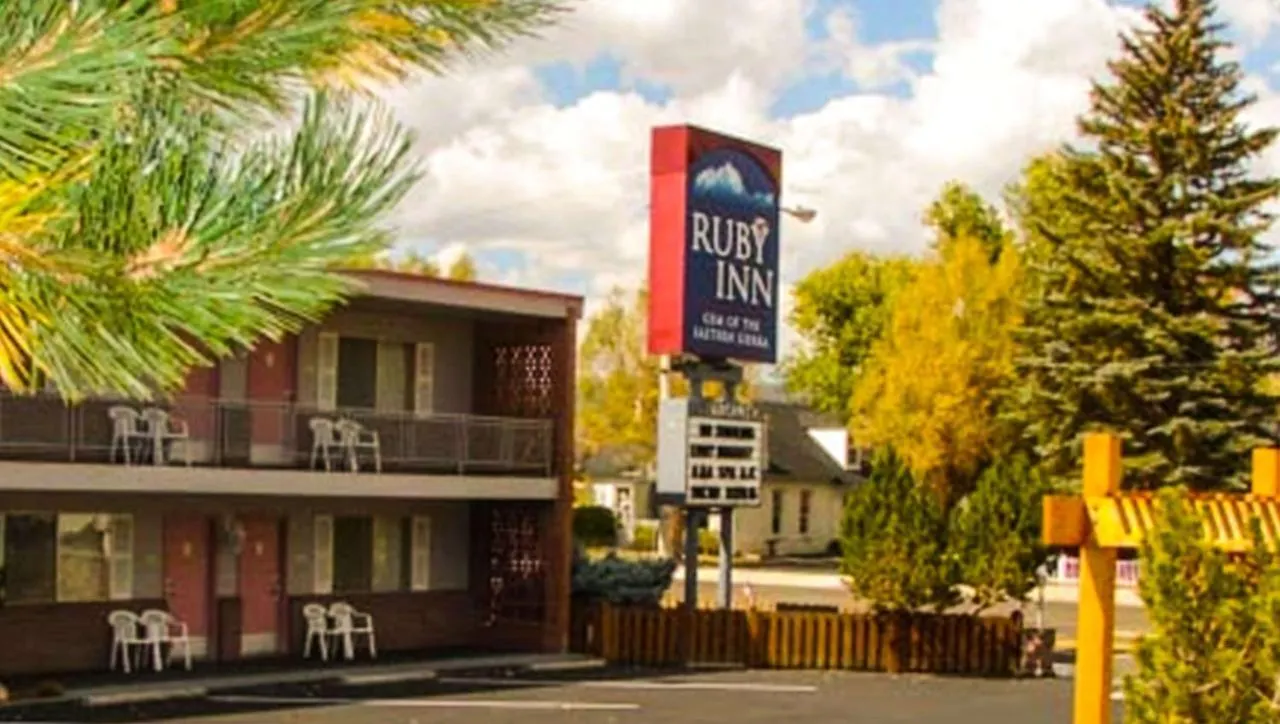
1. Ruby Inn Bridgeport
Show on map


 Check-infrom 15:00 until 23:59Check-outuntil 11:00
Just a few rooms left at the best rate!
fromUS$ 195
-
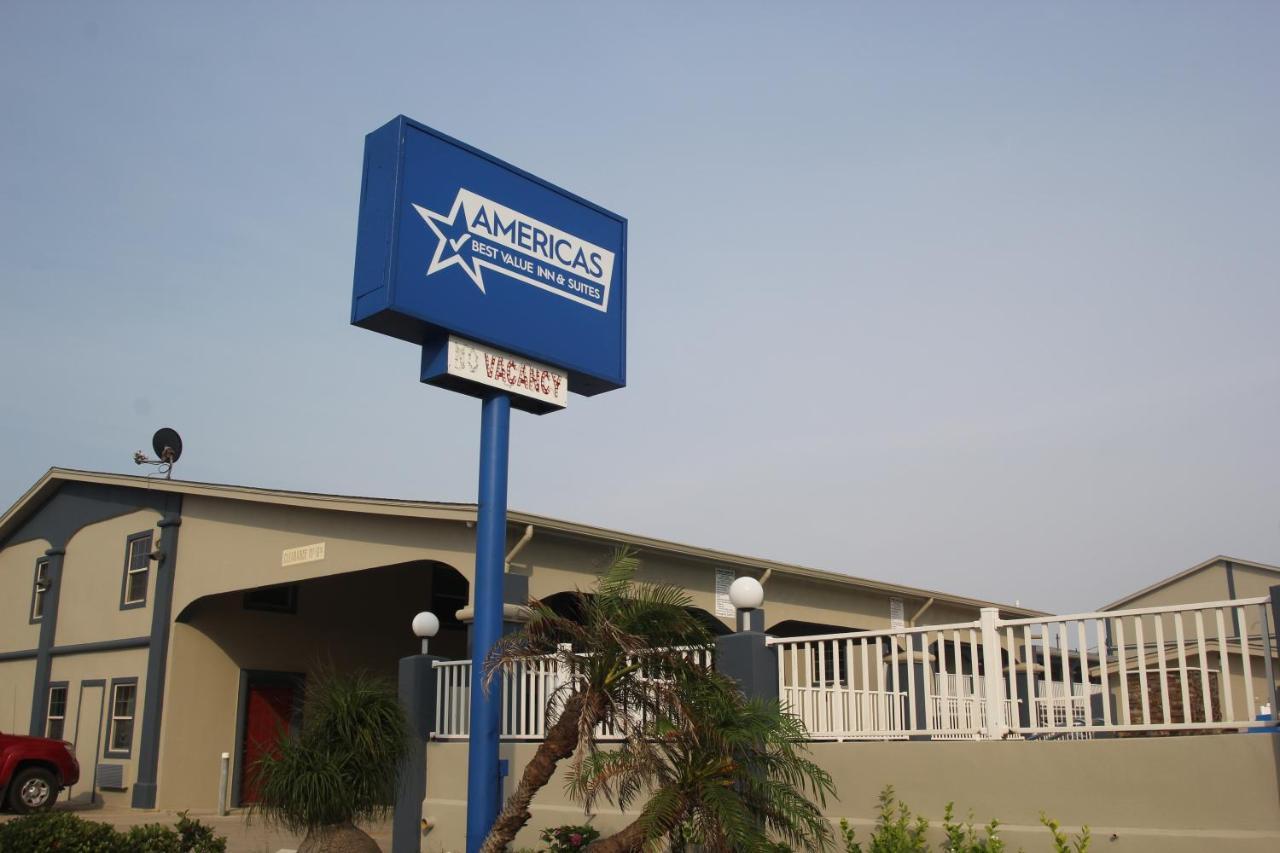
2. Hotel Lumberjack
Show on map


 Check-infrom 16:00 until 23:59Check-outuntil 11:00
Just a few rooms left at the best rate!
fromUS$ 82
Best Premium Stays
These properties offer elevated amenities - including hot tubs, fitness facilities, saunas, and suite-style rooms - suited to travelers who want more comfort and space after full days in the Sierra Nevada backcountry.
-
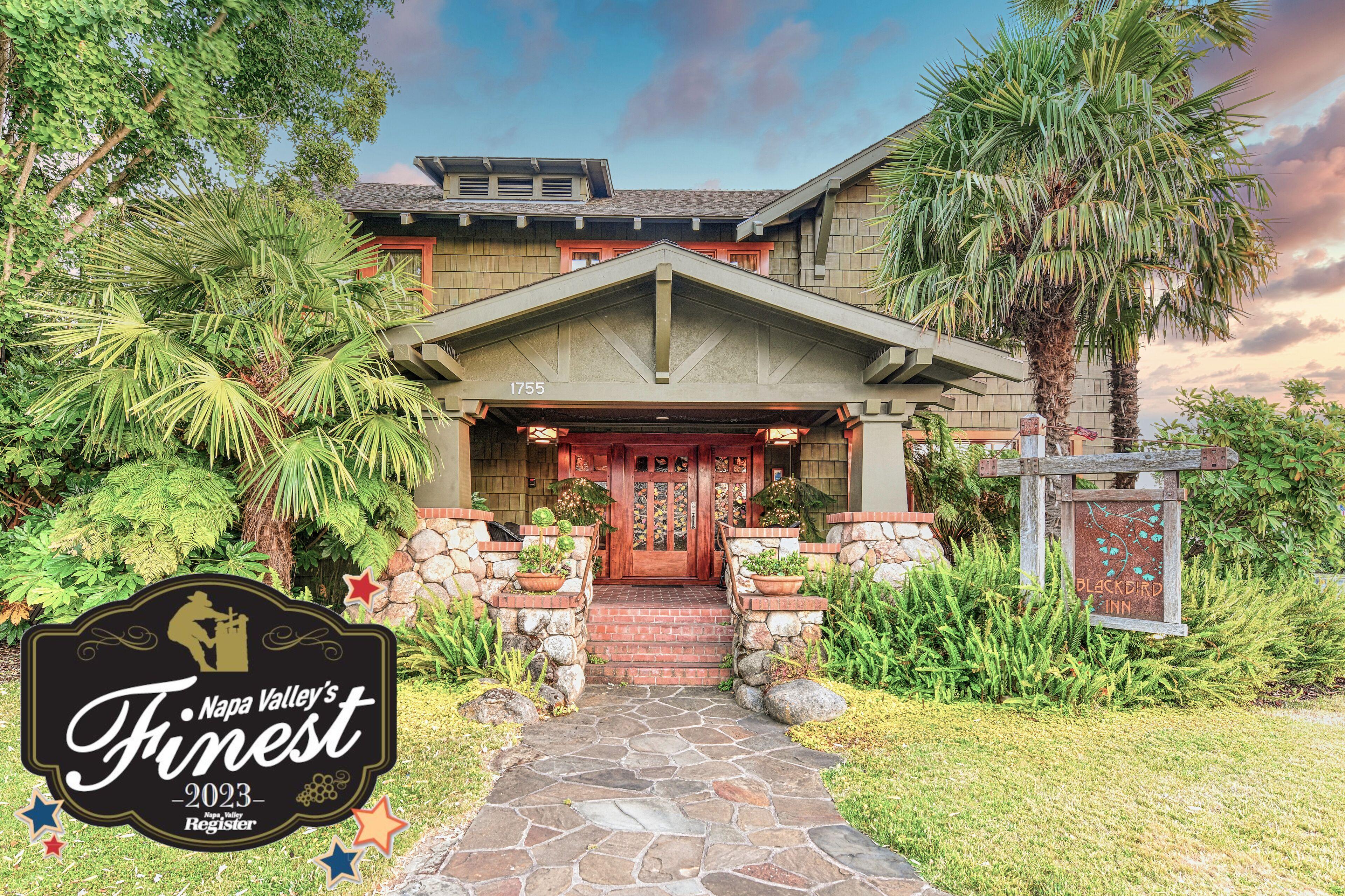
3. Murphys Suites
Show on map


 Check-infrom 15:00 until 23:59Check-outuntil 11:00
Hurry – almost gone at this price!
fromUS$ 164
-
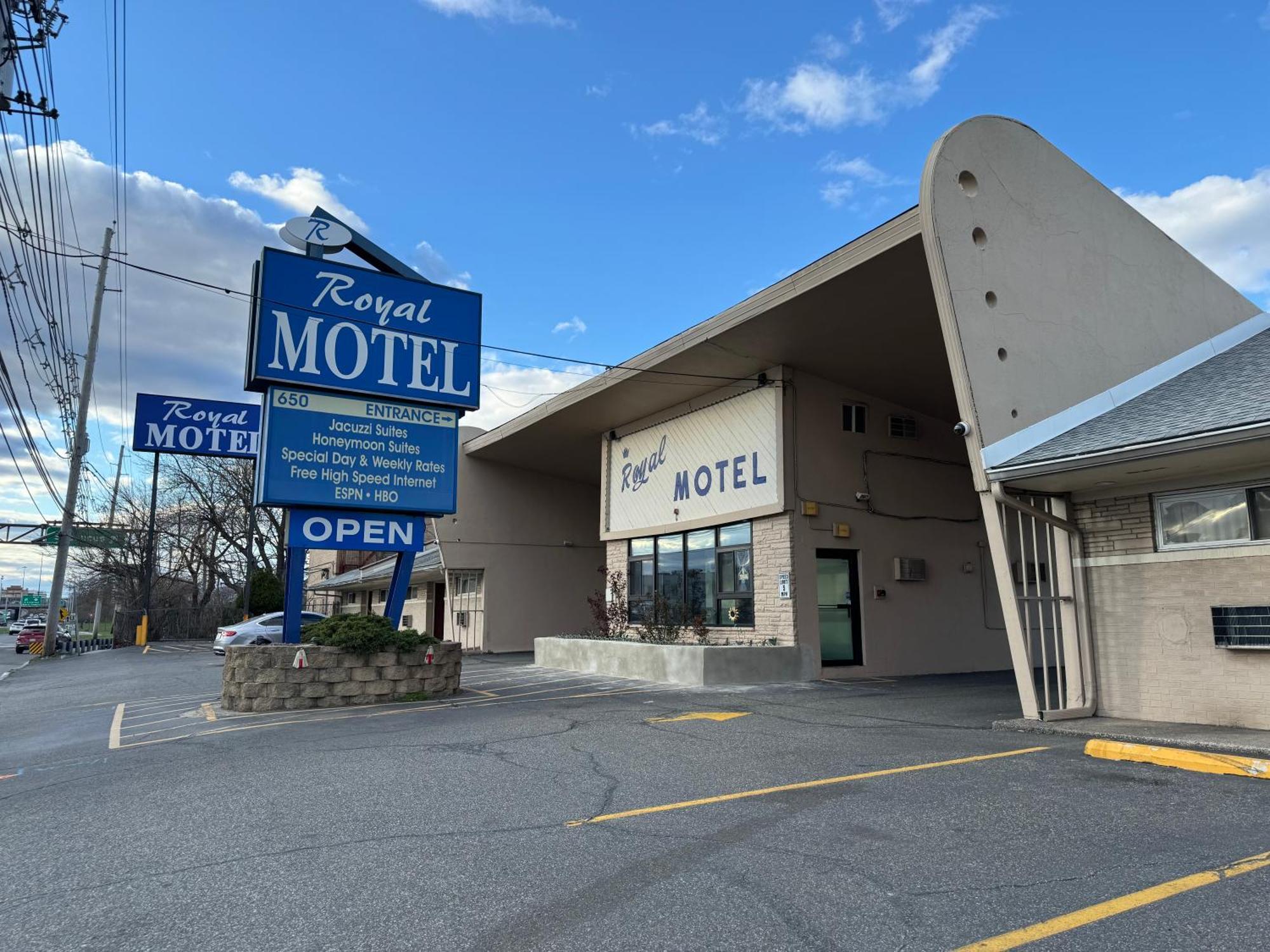
4. Walker River Lodge
Show on map


 Check-infrom 14:00 until 22:00Check-outuntil 11:00
Rooms filling fast – secure the best rate!
fromUS$ 135
Smart Travel & Timing Advice for Stanislaus National Forest
The optimal window for visiting Stanislaus National Forest is June through early September, when Sonora Pass is open, snow has cleared from upper elevation trails, and the Tuolumne River runs with manageable water levels for fishing and swimming. July and August are the busiest months, with gateway town hotels frequently at full occupancy on weekends and trailhead parking areas filling by 8 a.m. at popular access points like Kennedy Meadows. Shoulder season - specifically late May, early June, and the entire month of September - offers the best balance of open roads, lower hotel rates, and fewer hikers on the trail. For fall color along the aspen groves near Bridgeport and Twin Lakes, early October is the peak window, though Highway 108 may already be closed by then, limiting western-side access. Plan for a minimum of 3 nights to meaningfully explore either the western or eastern side of the forest - fewer nights make the driving logistics feel disproportionate to the reward. Last-minute bookings in summer are high-risk given the small total room inventory across all gateway towns - Bridgeport especially - so committing 6 to 8 weeks out is the safest strategy for summer travel.