Staying near the Empire State Building puts you at the geographic center of Manhattan - within reach of Midtown's transit hubs, the Financial District, Lower East Side, and TriBeCa. This guide covers 7 centrally located hotels spread across Manhattan's most connected neighborhoods, helping you choose based on distance, access, and what each property actually delivers.
What It's Like Staying Near the Empire State Building
The Empire State Building anchors Midtown South - a dense, high-traffic corridor where office workers, tourists, and commuters share the same sidewalks from 7am onward. Herald Square and 34th Street form the commercial backbone of this zone, giving you subway access on the A, C, E, B, D, F, M, N, Q, R, and W lines within a short walk. Hotels closest to the building sit in one of Manhattan's most walkable grids, but that walkability comes with constant street noise and crowds that don't thin out until late evening.
The area suits travelers who want to maximize time between attractions rather than rely on transit. Bryant Park, the Flatiron District, and Chelsea Market are all reachable on foot, which makes this zone genuinely useful - not just symbolic. That said, hotel rates near 34th Street run around 20% higher than comparable rooms in the Financial District or Lower East Side, so proximity carries a real cost.
Pros:
Unmatched subway connectivity - multiple lines intersect within 5 minutes on foot
Walking distance to Bryant Park, Madison Square Garden, and Penn Station
High density of dining and convenience options open late
Cons:
Street noise on avenues like 5th, 6th, and 7th can disrupt sleep in lower-floor rooms
Midtown sidewalks are congested from morning through early evening every day
Premium location pricing means smaller rooms at equivalent spend versus downtown hotels
Why Choose a Centrally Located Hotel Near the Empire State Building
Centrally located hotels in Manhattan's connected neighborhoods - TriBeCa, the Financial District, Lower East Side, and Wall Street - offer a strategic alternative to paying peak Midtown rates. These properties sit within 3 to 5 subway stops of the Empire State Building, which in New York terms means under 15 minutes door-to-door. Room sizes in these neighborhoods average noticeably larger than Midtown equivalents at the same price point, particularly in TriBeCa and the Lower East Side, where converted buildings often yield more generous floor plans.
The trade-off is straightforward: you save on accommodation but add a transit step to each day. For travelers spending full days exploring the city rather than camping near one landmark, a central downtown hotel can cost around 25% less than a comparable Midtown property during peak season. The neighborhoods themselves - especially TriBeCa and the Financial District - are quieter at night, which is a meaningful upgrade for light sleepers.
Pros:
Lower nightly rates than equivalent hotels directly on 34th Street
Quieter street environment, especially in TriBeCa and Wall Street corridor
Strong transit links make the Empire State Building accessible in under 20 minutes
Cons:
Not walkable to the Empire State Building - subway or taxi required each visit
Financial District has limited dining and nightlife options on weekends
Some travelers underestimate transit time when planning tight morning itineraries
Practical Booking & Area Strategy
For hotels with direct access to the Empire State Building, look at properties on or just off 5th Avenue between 30th and 36th Street - this corridor puts you within a genuine 10-minute walk of the observation deck entrance on 34th Street. For central hotels further downtown, the key transit lifeline is the 2/3 express line at Fulton Street or the E train at World Trade Center, both of which connect to 34th Street-Penn Station in around 12 minutes. TriBeCa and the Financial District are the strongest base camps for travelers splitting time between Lower Manhattan and Midtown - One World Observatory, Brooklyn Bridge, and the 9/11 Memorial are all walkable, while the Empire State Building stays a quick express ride away.
Book at least 6 weeks ahead if your travel dates fall between late May and early September, when Midtown hotel inventory tightens fast and rates climb sharply. The area around the Empire State Building is also heavily visited on weekends year-round, so Friday and Saturday night rates near 34th Street are consistently elevated. Lower East Side and Wall Street hotels hold more stable pricing through the week. Night-time safety is not a concern in any of the neighborhoods covered here - TriBeCa, the Financial District, and the Lower East Side all have active street presence through the evening.
Best Value Central Hotels
These properties offer strong central positioning across Manhattan at rates that undercut Midtown equivalents, with solid transit access to the Empire State Building via express subway lines.
-
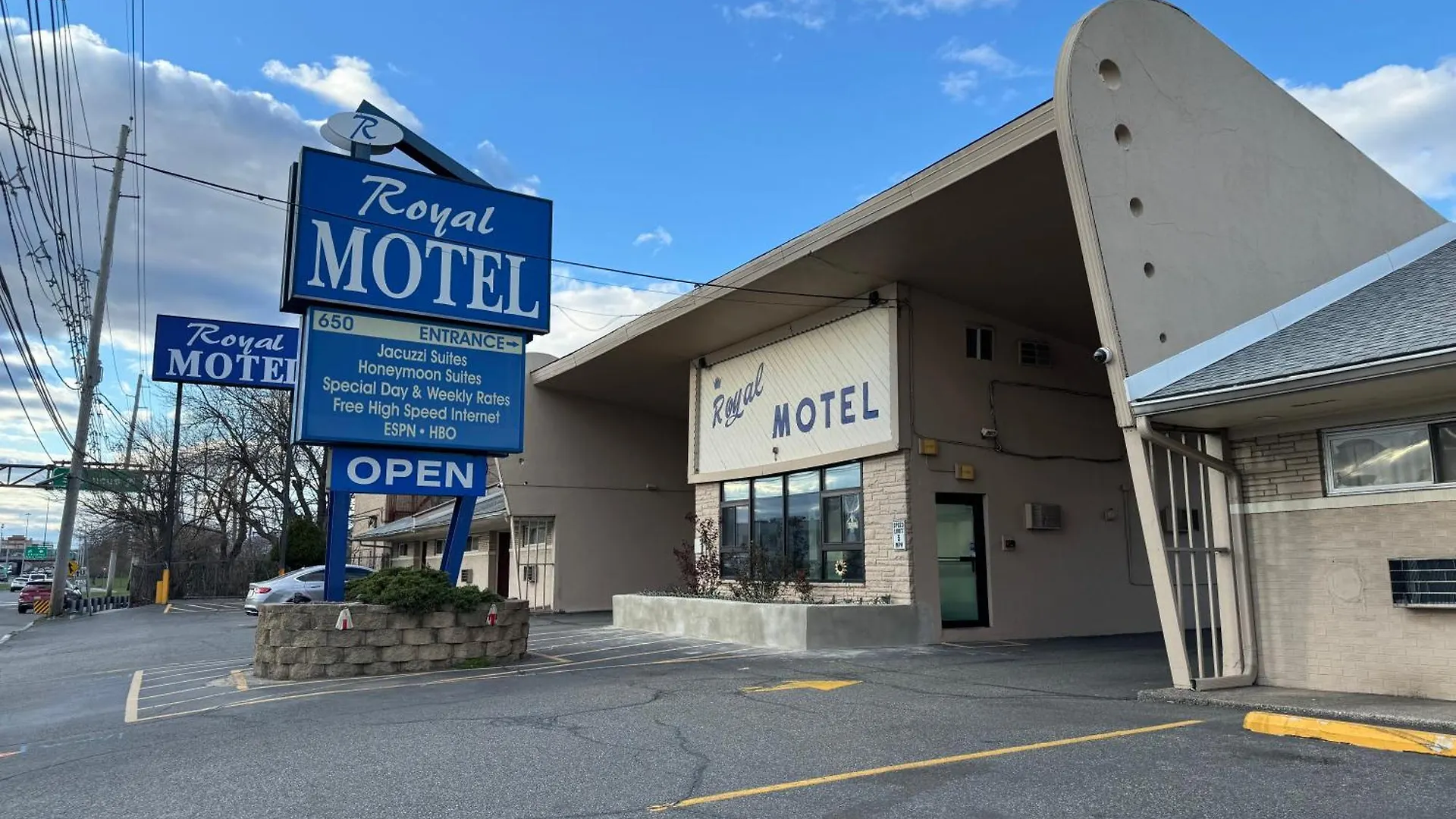
1. Royal Motel
Show on map


 Check-infrom 15:00 until 23:59Check-outuntil 11:00
Just a few rooms left at the best rate!
fromUS$ 110
-
2. Kasa Lantern Lower East Side
Show on map


 Check-infrom 16:00 until 23:59Check-outuntil 11:00
Just a few rooms left at the best rate!
fromUS$ 186
-
3. Moxy Nyc Downtown
Show on map


 Check-infrom 16:00 until 23:59Check-outuntil 11:00
Just a few rooms left at the best rate!
fromUS$ 193
Best Premium Central Stays
These four-star properties combine strong Manhattan positioning with elevated service, dining, and amenity depth - suited to travelers who want more than a transit-functional base.
-
4. Walker Hotel Tribeca
Show on map


 Check-infrom 15:00 until 23:59Check-outuntil 11:00
Hurry – almost gone at this price!
fromUS$ 153
-
5. Nine Orchard
Show on map


 Check-infrom 15:00 until 23:59Check-outuntil 12:00
Hurry – almost gone at this price!
fromUS$ 795
-
6. Hotel Indigo Nyc Downtown - Wall Street By Ihg
Show on map


 Check-infrom 15:00 until 23:59Check-outuntil 11:00
Rooms filling fast – secure the best rate!
fromUS$ 176
-
7. Hotel Indigo Nyc Financial District By Ihg
Show on map


 Check-infrom 16:00 until 23:59Check-outuntil 11:00
Rooms filling fast – secure the best rate!
fromUS$ 320
Smart Timing & Booking Strategy for NYC Central Hotels
New York hotel pricing near the Empire State Building and across central Manhattan follows predictable seasonal patterns. Late May through early September is consistently the most expensive window - both for Midtown hotels and for the downtown properties in this guide, which absorb overflow demand when Midtown inventory fills. If your dates are flexible, late January through early March offers the lowest average rates of the year across all Manhattan neighborhoods, with crowds at the Empire State Building observation deck thinning noticeably on weekday mornings.
For the hotels in this guide, booking at least 6 weeks before arrival is a reliable threshold for locking in reasonable rates - particularly for Four-star properties like Nine Orchard or Hotel Indigo Wall Street, which sell out faster than their downtown positioning might suggest. Three nights is the practical minimum for a Manhattan stay centered on the Empire State Building if you also want to cover nearby anchors like the High Line, Bryant Park, or the Financial District without feeling rushed. Last-minute rates in New York rarely drop meaningfully, especially on weekends, so early booking carries a genuine financial advantage here rather than just a selection benefit.